
Theme: makeshift packaging, and a brand that outgrew it
A case that fails is worse than no case. It fails after the customer has decided.
Protective packaging gets judged twice. Once on the shelf, where it has to look like the instrument is worth the money, and once in the field, where it has to survive. A cheap case can pass the first test and fail the second, which is the expensive order to fail them in.
The situation
A maker of handheld measurement instruments for outdoor and sporting use sold two related products at two price points, a standard and a premium, each shipping in its own case.
The pain
The account record is blunt: the company was using a cheap plastic case which was breaking.
That is the worst possible place for a protective product to fail, because it fails after the customer has already paid and formed an opinion about the instrument inside. Every breakage is a support conversation, a replacement, and a review.
Separately, they wanted to consolidate cases for two items at a standard and a premium price point. A rigid moulded case makes that expensive, because two price points mean two tools.
What happened
Both products moved into an improved EVA soft case carrying the customer's branding, designed to serve the standard and the premium position from one platform rather than tooling twice.
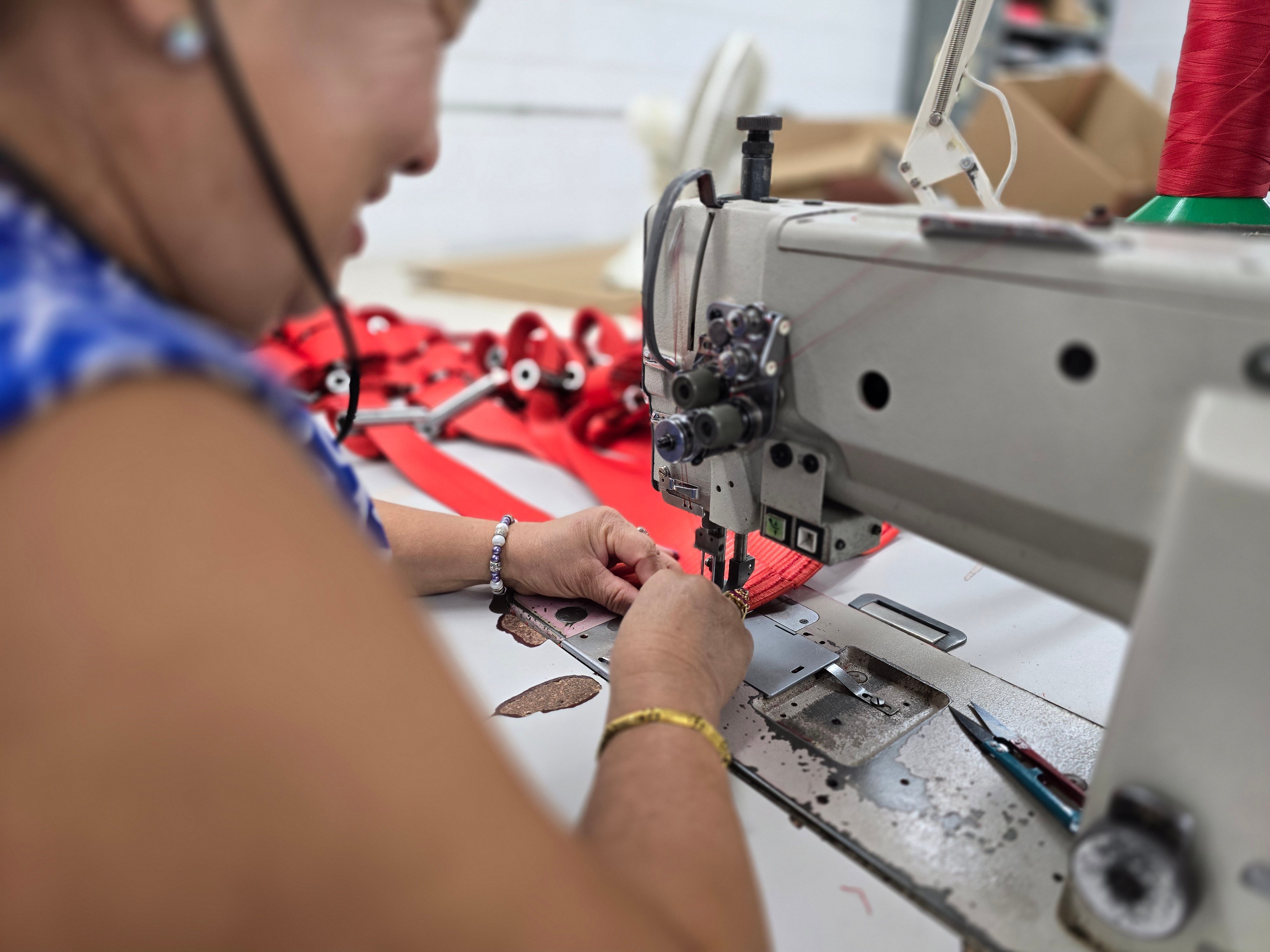
Sewn construction is what makes that possible. A pattern can be varied for a price point in a way a mould cannot, so the premium version differs in material and finish rather than in tooling.
What it led to
The programme is sized at an estimated 10,000 cases a year. Two cases became one platform, the breakage mode was designed out rather than warrantied around, and the case started carrying the brand instead of hiding it.
Customer name withheld. Every figure and quoted phrase on this page is taken verbatim from the account record. No statement here is presented as customer speech; a direct quotation will be added once the customer has reviewed the piece and signed a release.